
Development, Succession Planning & HiPo Assessments
Turn Assessment Insight Into Future Capability

Why Succession Planning Matters
Succession planning is the structured process of identifying critical roles, evaluating potential successors and preparing people to take on future responsibilities. Done well, it protects leadership continuity, organisational knowledge and long-term business capability.
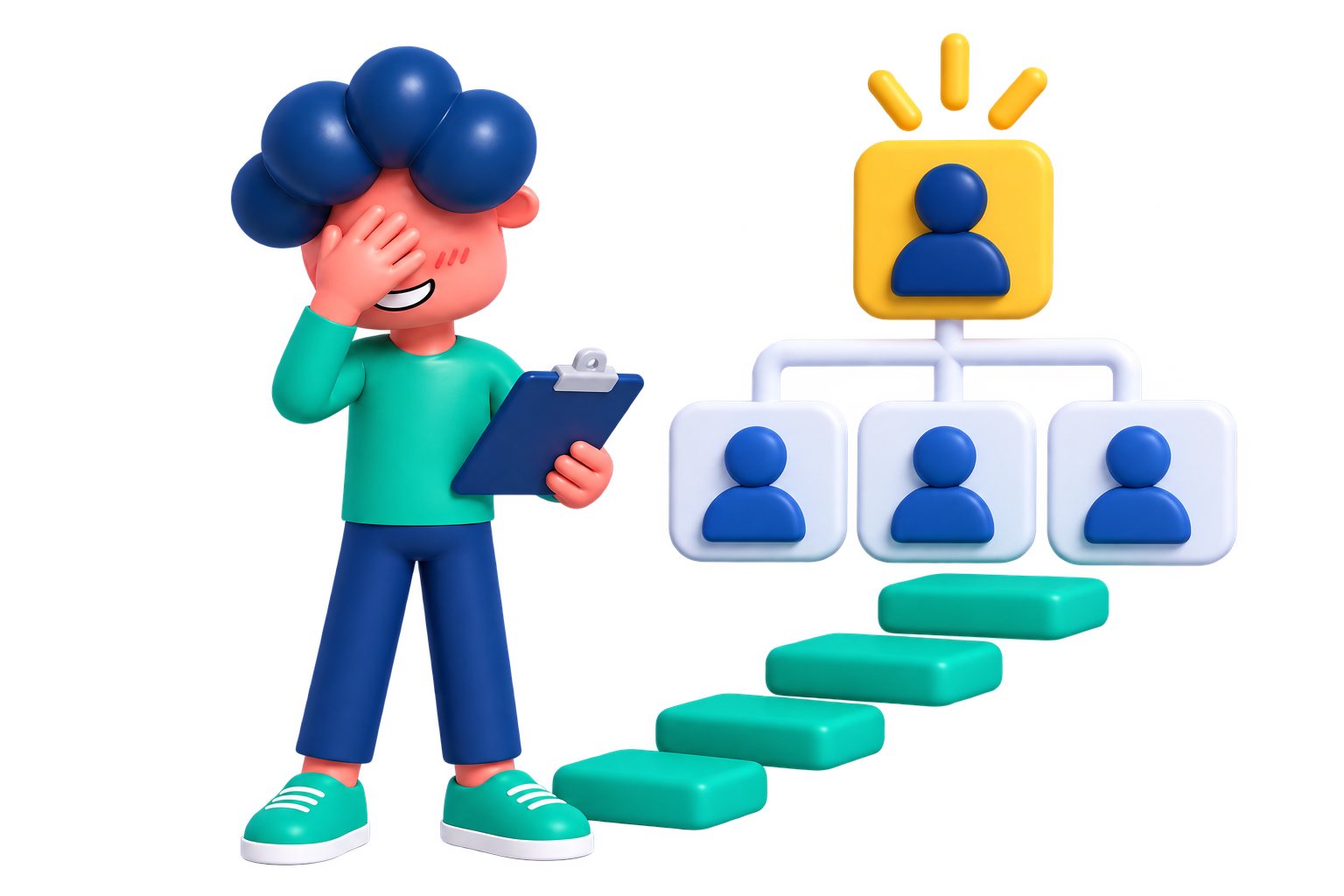
The Risk
What an unprepared succession pipeline costs you
Identifying successors early creates the time to close gaps before a transition becomes urgent.
One Assessment Approach. Different Development Objectives.
Every organisation has different talent priorities. We apply our holistic, multi-measure assessment methodology according to the specific people decision or development question your organisation needs to address.

Development Assessments
Identify the strengths, capability gaps and growth opportunities of individuals or teams.
HiPo Identification
Identify employees with the potential to succeed at higher levels of complexity, responsibility and organisational impact.
Succession Planning
Evaluate potential successors against the requirements of future or business-critical roles.
One methodology, applied to the people decision your organisation actually needs to make.
Objective 01
Development Assessments
Development assessments identify the strengths, capability gaps and growth opportunities of individuals or teams.
They provide a structured view of the behaviours and competencies supporting current performance, as well as the areas that may limit future effectiveness.
The findings can be used to guide
Objective 02
HiPo Identification and Assessment
HiPo assessments help organisations identify employees with the potential to succeed at higher levels of complexity, responsibility and organisational impact.
Strong performance in a current position does not automatically mean that someone is ready for a more senior or substantially different role. Our approach helps distinguish between current performance, longer-term potential and readiness for progression.


Succession Planning Assessments
Succession planning assessments evaluate potential successors against the requirements of future or business-critical roles.
They help organisations understand who may be ready now, who could become ready with focused development and where gaps or succession risks remain.
Assessment Is Only The Starting Point
Its real value lies in turning insight into focused development and practical action. Depending on the purpose of the assessment, recommendations can be translated into:
Individual development plans
Focused, evidence-based plans built around each person's strengths and development needs.
Team development priorities
Shared strengths, common development needs and capability gaps identified across a team.
Leadership coaching and development programmes
Coaching and structured programmes aimed at the capabilities that matter at the individual's level.
High-potential employee development
Targeted investment in the people identified as capable of greater complexity and responsibility.
Succession readiness plans
A practical pathway for preparing identified successors ahead of a transition.
Personalised digital development journeys
Continuous, individually tailored development delivered through Elea.
This creates a direct connection between assessment, development and the future capability the organisation needs. It also provides a clearer basis for reviewing progress over time and refining development priorities as roles and business requirements evolve.
Succession Planning And HiPo Questions Answered
Common questions from HR and talent teams planning development, succession and leadership pipelines.
What is succession planning?
Succession planning is the process of identifying roles that are critical to an organisation's continuity and preparing suitable people to take on those responsibilities in the future. It involves understanding role requirements, identifying potential successors, assessing readiness and addressing development gaps before a transition is required.
What is a succession planning assessment?
A succession planning assessment evaluates an identified employee against the requirements of a future or critical role. It provides insight into the individual's current capability, potential, role alignment and readiness, while highlighting the development needed to prepare them for possible progression.
How do you identify high-potential employees?
High-potential employees should not be identified through current performance alone. A structured HiPo assessment considers evidence relevant to the organisation and future level of work, helping leaders distinguish strong current performers from individuals who may be capable of growing into greater complexity and responsibility.
What is the difference between performance, potential and readiness?
Performance describes how effectively someone delivers in their current role. Potential refers to their longer-term capacity to grow and succeed at a higher level. Readiness considers whether they are currently prepared for a particular next role, or what development may still be required before progression.
What is a development assessment?
A development assessment identifies an individual's or team's strengths, development needs and growth opportunities. Its purpose is to guide focused learning, coaching and employee development plans rather than make a selection decision.
Can development assessments be used for teams?
Yes. Individual results can be considered collectively to identify shared strengths, common development needs and capability gaps across a team. These insights can help shape team development priorities and broader leadership development initiatives.
What happens after the assessment?
Assessment results are translated into practical recommendations. Depending on the objective, these may include an individual development plan, coaching priorities, a leadership development programme, a succession readiness plan or a personalised development journey through Elea.
Build Capability For What Comes Next
Understand the capability within your organisation today and prepare your people for the roles, responsibilities and challenges of tomorrow.
Build stronger talent pipelines, focus development investment and approach succession decisions with greater confidence.